

Windscreen Resin Versus Replacement Explained
That sharp tap from a loose stone can leave a tiny mark that is easy to ignore - until a cold morning, pothole or blast of demister turns it into a crack. With windscreen resin versus replacement, the right answer is not simply whichever option is cheapest. It depends on the damage, where it sits and whether the glass can still be safely preserved.
For many motorists across Hampshire, Surrey and Berkshire, a prompt professional resin repair is the sensible route. It is quick, costs far less than fitting a new screen and keeps your original factory glass in place. But resin has limits. When damage is too large, too close to the edge or has already spread, replacement is the safer call.
What windscreen repair resin actually does
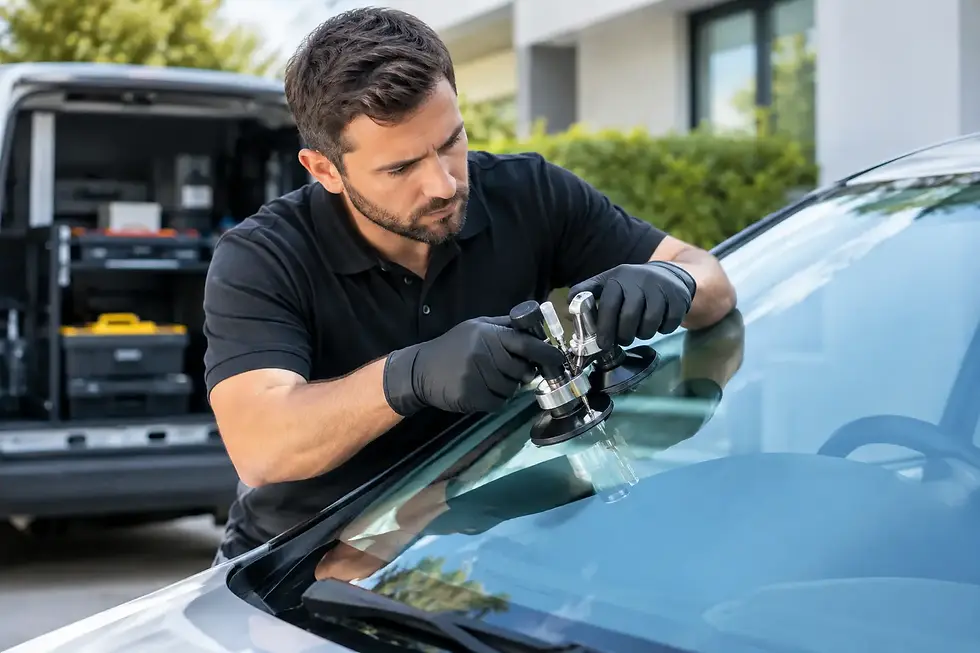
Professional windscreen resin is not a surface glue or a cosmetic dab-over. It is a specialist material injected into the damaged area under controlled pressure. The aim is to fill the breaks within the laminated glass, bond the damaged layers and stop the chip from spreading.
A windscreen is made from two layers of glass with a plastic interlayer between them. A stone chip can create small fractures in the outer layer, often with legs spreading out from a central point. Left open, those fractures collect dirt and moisture. They also become more vulnerable to changes in temperature and vibration from everyday driving.
A trained Chipper uses a professional repair system to remove air from the break, introduce resin and cure it with ultraviolet light. At Chip Repair UK, Delta repair resin is used for a strong, durable repair. The result is designed to restore structural integrity and reduce the visible appearance of the chip, although no honest repairer should promise that every mark will disappear completely.
The priority is to stop a small chip becoming a screen-wide crack. The sooner it is repaired, the cleaner the break usually is and the better the visual result can be.
Windscreen resin versus replacement: the practical difference
Resin repair preserves the glass already on your car. Replacement removes the complete windscreen and installs a new one. Both have their place, but they are very different jobs.
A repair is normally completed at your home or workplace in around 20 to 30 minutes when the damage is suitable. There is no need to arrange a workshop visit, wait for a particular screen to arrive or disrupt your day more than necessary. For a commuter, parent or tradesperson, that convenience matters.
Replacement is a bigger process. Modern windscreens may contain cameras, rain sensors, heating elements, antennas and advanced driver-assistance equipment. A replacement can require calibration and more time off the road. It is sometimes unavoidable, but it should not be the first answer for a repairable chip.
There is an environmental difference too. Repair uses a small amount of specialist resin and helps keep an otherwise sound windscreen out of the waste stream. Replacing an entire screen for a chip that could have been stabilised creates more material waste and uses more energy.
For owners of prestige, classic or high-performance vehicles, keeping original factory glass can be particularly worthwhile. Original screens can carry correct markings, fit precisely and may be harder to source than expected. If the damage falls within safe repair limits, preserving it is often the better outcome.
When resin repair is usually the right choice
The shape alone does not decide whether a chip can be repaired, but several common types are often suitable when they are dealt with promptly. These include bullseye, half-moon, petal, star and cross-hair chips, as well as small long cracks.
Size, location and condition are just as important. As a clear guide, damage no larger than a £2 coin is often a good candidate for repair. The glass must also be stable enough for resin to do its job. A fresh chip with no heavy contamination generally offers the best prospect.
A professional repair can be a good option when the chip is away from the outer edge of the windscreen, the cracks are small, there is no significant impact damage on the inside layer and the area is not directly affecting the driver’s view. Your repairer will assess this rather than guessing from the chip shape alone.
It is worth acting quickly even if the mark looks minor. Heat from direct sun, a sudden cold snap, slamming a door or driving over rough roads can put stress through the glass. A repairable chip can become an unrepairable crack without much warning.
When replacement is the safer answer
There are times when repair resin should not be used. A responsible mobile chip repair specialist will tell you plainly when the damage is outside safe limits rather than attempting a job that is unlikely to last.
Edge cracks are a key example. The edge of a windscreen is under greater stress, and cracks in this area can compromise the screen more seriously. Cracks larger than a £2 coin, extensive spreading damage and chips with severe crushing are also likely to need replacement.
Damage in the driver’s critical viewing area may be unsuitable even when it is small. Resin can greatly improve the appearance of a chip, but a faint distortion or blemish may remain. Where this could distract the driver, replacement may be necessary.
The same applies if there is damage to the inner glass layer, multiple overlapping breaks or a crack that has already travelled a considerable distance. These are not situations for a quick fix. Replacing the windscreen protects the safety of everyone in the vehicle.
Cost and time: why repair is often worth doing early
The most expensive windscreen problem is often the one left for later. A fixed-price chip repair is usually substantially cheaper than a replacement screen, particularly once fitting, sensors and recalibration are involved. More importantly, it can stop you from losing the use of your car while replacement arrangements are made.
Repair pricing should be clear before work starts. It should account for the number and size of chips, without vague add-ons appearing at the end. If a photo shows that the damage is beyond repair, you should be told before booking a visit.
This is where a WhatsApp photo assessment is useful. Take a clear image of the chip from outside the vehicle, ideally with a £2 coin nearby for scale. Include a wider photo showing its position on the screen. A trained Chipper can often give you a straightforward view of whether it looks repairable and what the visit will involve.
Do not press tape, glue, filler or a home repair kit into the chip before getting advice. Household products can trap contamination or make a professional repair harder. If the weather is wet, keep the damaged area as dry and clean as possible. A small piece of clear tape placed gently over the outside of the chip can help keep out dirt until it is assessed.
Choosing repair without taking chances
Good windscreen repair is not about pretending every chip can be made invisible. It is about making the correct call, using proper materials and carrying out the work carefully. Ask whether the repairer specialises in chip repair, what resin system they use, whether they explain repair limits and whether their work is backed by aftercare support.
A specialist will not push replacement work they do not provide, and they will not force resin into unsuitable damage. That makes the advice simpler: repair what can safely be repaired, and replace only when the condition of the glass demands it.
If you have a fresh chip in Fleet, Farnborough, Aldershot, Camberley, Bracknell, Basingstoke, Maidenhead, Ascot or the surrounding area, send Call Billy a clear WhatsApp photo before that small mark has the chance to grow.


Comments