

Bullseye Windscreen Chip Repair: Can It Be Fixed?
A stone flicks up from the car in front, there is a sharp tap on the glass, and suddenly you are staring at a neat circular mark in your windscreen. It may look small, but bullseye windscreen chip repair is best arranged promptly. Left alone, a repairable chip can turn into a crack after a cold night, a hot day or a pothole.
The good news is that a genuine bullseye chip is often one of the more straightforward types of windscreen damage to repair. A trained mobile chip repair specialist can usually assess it from a clear photo, then carry out the repair at your home or workplace without taking your car off the road for the day.
What is a bullseye chip?
A bullseye chip is usually round or almost round, with an impact point at its centre. Think of the mark left by a small stone striking the outer layer of the glass directly. Unlike a star break, it does not normally have several obvious legs spreading away from the centre. Unlike a long crack, the damage is contained in one small area.
Windscreens are made from two layers of glass bonded around a plastic interlayer. In many cases, a stone damages the outer layer only. That is why a professional repair can restore strength without replacing the whole windscreen.
Not every circular-looking mark is a bullseye. Some chips have hidden cracks, contamination or a deeper impact point that changes what can safely be done. A quick photograph taken from outside the vehicle, plus one from inside if possible, gives a trained Chipper a much better basis for an honest assessment.
When bullseye windscreen chip repair is possible
Size, position and condition matter more than the name of the chip. As a practical guide, a bullseye may be suitable for repair when it is smaller than a £2 coin, away from the edge of the windscreen and has not developed into a significant crack.
A recent chip is normally the best candidate. Dust, water and screenwash can work their way into the break over time, making the finished appearance less tidy. That does not automatically mean it cannot be repaired, but early action gives the resin the best chance of bonding cleanly within the damaged area.
Position matters too. Damage near the windscreen edge needs special care because this is an area under greater stress. Edge cracks are outside normal repair thresholds. A chip directly in the driver’s critical viewing area may also need a more cautious assessment, even where it is structurally repairable. The aim is never to promise an invisible result where the position or damage pattern makes that unrealistic.
Bullseye repairs can also be unsuitable if the chip has spread into a long crack, has been poorly repaired before, or if there is damage to the inner glass layer. In these cases, replacement may be the safer option. A specialist should say so plainly rather than attempt a repair that will not last.
Why a small chip should not wait
A windscreen flexes every time you drive. Temperature changes make the glass expand and contract, while bumps, door shuts and body movement add stress. A bullseye that stays the same size on Monday can become a crack across the glass later in the week.
Once a crack grows beyond repair limits, the choice often becomes a full replacement. That costs more, takes longer and means losing the original factory-fitted glass. For owners of classic, prestige and high-performance vehicles, retaining the original windscreen can be particularly worthwhile where it is safe to do so.
Repair also creates far less waste than replacing a complete windscreen. Keeping sound glass in service makes practical sense, not just financial sense.
Until the repair is arranged, avoid poking at the chip or repeatedly washing it with the wipers. If you can, keep the damaged area clean and dry. Do not stick tape over a wet or dirty chip, as that can trap moisture and debris inside. Normal driving may be unavoidable, but avoid unnecessary harsh temperature changes such as blasting the demister at maximum heat onto a freezing windscreen.
What happens during a professional repair?
A proper repair is more than applying resin to the surface. First, the technician inspects the chip and confirms that the damage remains within safe repair limits. The area is cleaned and prepared so the repair system can reach the fractured section of glass.
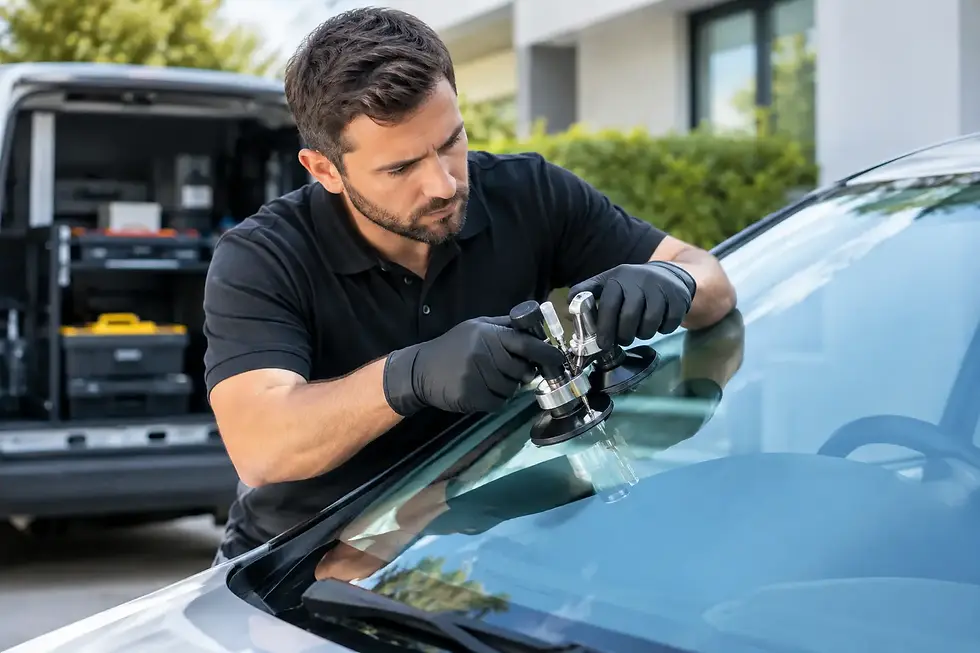
A professional injector is then positioned over the impact point. It uses controlled pressure and vacuum cycles to draw air from the break and introduce specialist repair resin. At Chip Repair UK, Delta repair resin is used to fill the damaged area and support the windscreen’s structural integrity.
The resin is cured with ultraviolet light, then the surface is levelled and polished. Most eligible repairs take around 20 to 30 minutes. You can get on with your working day or stay at home while the job is done, rather than sitting in a workshop waiting room.
The result is designed to stop the damage spreading and restore strength. Visually, the chip usually becomes much less noticeable, but the original impact point may still leave a faint mark. That is normal. A trustworthy repairer will focus on safe, durable repair rather than claiming every chip will disappear completely.
How much does a bullseye repair cost?
The price should be clear before anyone travels to you. Costs generally depend on how many chips need attention and whether the damage is within normal size limits. A single, eligible bullseye is usually quick to repair, while several separate chips need more time and material.
Mobile repair can offer better value than replacement because there is no need to remove glass, fit a new screen or recalibrate equipment associated with some modern vehicles. It also avoids the disruption of leaving the car without a windscreen while parts are ordered.
The cheapest option is not always the best option, though. DIY kits can suit a very minor chip in careful hands, but they do not offer the controlled vacuum, pressure and professional resin used by a trained technician. A poor attempt can leave contamination in the break and make a later professional repair harder to achieve.
Send a photo before you book
You do not need to become an expert in chip types before asking for help. Take a well-lit photo of the damage from outside the vehicle, ideally with a £1 or £2 coin nearby for scale. If there are visible lines from the centre, photograph those too. A second image from inside the car can help show whether the inner surface is affected.
Send the photos by WhatsApp for a rapid assessment, along with your vehicle location and a note of when the damage happened. For drivers across Hampshire, Surrey and Berkshire - including Fleet, Farnborough, Aldershot, Camberley, Bracknell, Basingstoke, Maidenhead and Ascot - mobile appointments can be arranged at home or work.
If your bullseye is still small and away from the edge, do not wait for it to become a windscreen-sized problem. Send a clear photo, get a straight answer, and give the chip its best chance of being repaired.


Comments