

Insurance Excess Costs: Is a Claim Worth It?
A stone chip can appear in seconds on the M3, A331 or a local road, then leave you wondering whether to call your insurer or sort it yourself. Insurance excess costs are often the deciding factor. If your policy excess is close to, or higher than, the cost of a professional windscreen chip repair, making a claim may not save you money at all.
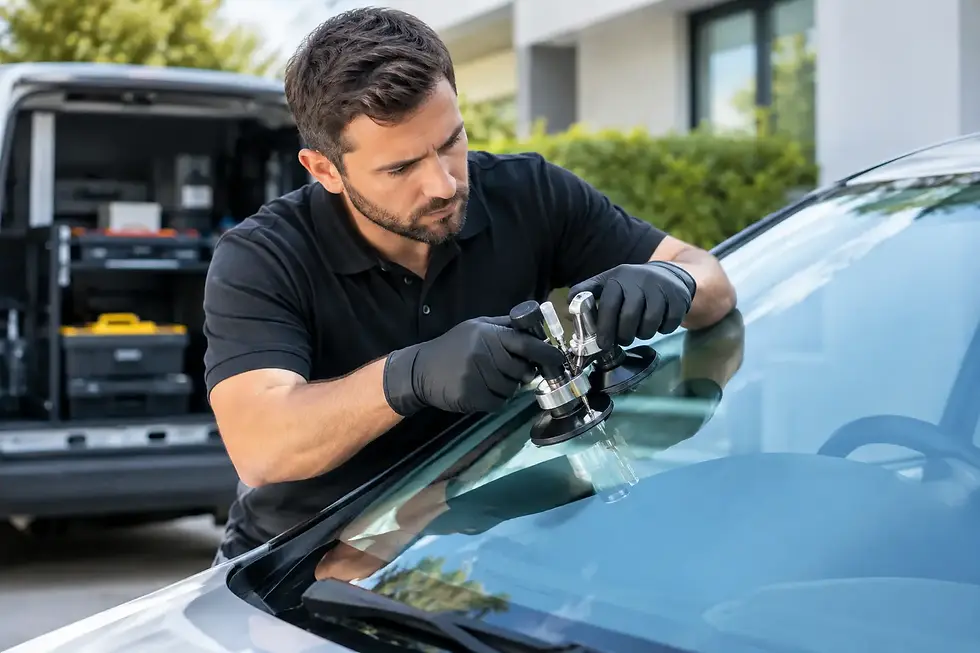
The good news is that many small chips can be repaired quickly before they spread. A mobile chip repair specialist can assess the damage from a clear WhatsApp photo, come to your home or workplace, and usually complete an eligible repair in 20-30 minutes. Before you make any decision, it helps to understand what you would actually pay and what your policy covers.
What insurance excess costs mean for windscreen damage
Your excess is the amount you agree to pay towards an insurance claim. Most motor policies have a compulsory excess, set by the insurer, and may also have a voluntary excess that you selected when arranging cover. Together, these figures can be substantial.
Windscreen claims are sometimes handled differently from accident claims. Many comprehensive policies include glass cover with a separate, lower excess for repair or replacement. Some insurers waive the excess for a repair but charge one for a replacement. Others use a fixed windscreen excess regardless. There is no one rule, so check your policy wording rather than relying on what applied to a previous car or insurer.
That detail matters because a repair is usually far cheaper than replacing the whole screen. If a repair costs less than your windscreen excess, paying privately can be the straightforward option. You avoid the claim process, keep control of the appointment, and have the damage dealt with before it turns into something more expensive.
It is also worth checking whether your insurer requires you to use an approved glass provider. If you use another repairer, the insurer may limit what it will pay or refuse to cover the work. For a privately paid repair, that restriction does not apply.
When claiming for a chip can make sense
An insurance claim can still be the sensible route where your policy has a low or waived repair excess, and the chip is eligible for repair. It may also make sense if there are several repairable chips and your cover specifically includes them.
The key is to compare the total cost, not simply assume insurance is always cheaper. Ask the insurer what excess applies to a windscreen repair, whether there is any administration charge, and whether the claim affects your no-claims discount. Windscreen claims often do not affect a no-claims discount, but policies differ. Get a clear answer for your own cover.
A claim becomes more likely to be worthwhile when the screen needs replacement. Replacement is a larger job, particularly on modern vehicles with cameras, sensors, heating elements or calibration requirements. Even then, you still need to consider the applicable excess and any effect on future premiums.
For a small stone chip, though, speed is usually more valuable than paperwork. The longer a chip is left, the more likely vibration, temperature changes or a pothole will turn it into a crack. Once that happens, repair may no longer be possible.
When private chip repair is often better value
Private repair is commonly the better choice when the excess equals or exceeds the repair price, when your policy does not include windscreen cover, or when you only have third-party cover. It can also suit drivers who prefer a local, direct service instead of arranging work through an insurer's network.
A proper windscreen chip repair does more than improve the appearance of the glass. Professional resin is introduced into the damage and cured to stabilise it, helping restore strength in the affected area and reducing the chance of the chip spreading. The repair will not always disappear completely - a small mark can remain - but the aim is to stop a small problem becoming a replacement job.
At Chip Repair UK, the focus is solely on repairable stone chips, using professional-grade Delta repair resin. That specialism keeps the process simple: send a photo, receive an honest assessment, then arrange a mobile appointment at a suitable location across Hampshire, Surrey or Berkshire.
There is a waste benefit too. Keeping the original factory windscreen where possible avoids disposing of a large piece of laminated glass and avoids fitting a replacement screen unnecessarily. This is particularly appealing for classic, prestige and high-performance vehicles, where preserving original glass can matter as much as saving money.
Is your windscreen damage repairable?
Cost only matters if the damage can be repaired safely. Typical repairable chip types include bullseye, half-moon, petal, star, cross-hair and small long cracks. Size, depth and position matter just as much as the name of the chip.
As a general guide, damage larger than a £2 coin, cracks reaching the edge of the windscreen, and long or contaminated cracks may be beyond repair. A chip directly in the driver's critical viewing area may also need more careful consideration, as even a good repair can leave a visible blemish.
Do not poke at the chip, wash it aggressively or apply an over-the-counter repair kit before seeking advice. Dirt and moisture can enter the break and reduce the quality of the result. If rain is due, cover the outside of the chip lightly with clear tape until it can be inspected. Do not press the tape into the damage.
A clear photo from outside the vehicle, plus one showing where the chip sits on the screen, gives a trained Chipper enough information to make an initial call in many cases. A final assessment is always made in person, because the full extent of damage is not always visible in a photograph.
Questions to ask before you contact your insurer
A two-minute check can prevent an unnecessary claim. Ask what excess applies specifically to windscreen repair, not to a general accident claim. Confirm whether your policy covers a repair, a replacement, or both. Then ask if using your preferred repairer is permitted and whether the claim affects your no-claims discount or renewal price.
If the insurer says the repair is covered with no excess, claiming may be perfectly reasonable. If you would be paying an excess that is more than the private repair cost, there is little financial benefit in claiming. Request the private repair price first so you can compare like for like.
Be wary of delaying a repair while you wait for a non-urgent insurance decision. A chip that could have been fixed in half an hour can spread across the glass overnight in cold weather or after a hard bump. At that point, the choice is no longer between a claim and a small repair - it may be between paying an excess for replacement and being without the car for longer.
A practical way to deal with a fresh stone chip
First, take a clear photo and note when the damage happened. Keep the chip clean and dry, especially if it has just occurred in wet weather. Next, check your insurance excess and windscreen cover, but do not assume that a claim is automatically the cheapest route.
Then get a direct assessment from a mobile chip repair specialist. If the chip is within repair limits, you can compare the fixed private price against your excess and choose what suits you. Drivers in Fleet, Farnborough, Aldershot, Camberley, Bracknell, Basingstoke, Maidenhead, Ascot and surrounding areas can arrange an on-location inspection without losing time travelling to a workshop.
The best outcome is rarely about getting the insurer involved or avoiding them at all costs. It is about acting while the damage is still small, repairable and affordable. Send Billy a WhatsApp photo before that tiny chip has the chance to decide the cost for you.


Comments