

WhatsApp Windscreen Damage Assessment Explained
A stone flicks up from the car in front, there is a sharp tap on the glass, and suddenly you are looking at a chip in your windscreen. A WhatsApp windscreen damage assessment gives you a quick, straight answer before a small problem turns into a cracked windscreen and a replacement job.
For drivers across Hampshire, Surrey and Berkshire, sending a few clear photos is often the fastest way to find out whether a mobile repair is likely to be suitable. There is no need to guess from a diagram online or take time out of your day to visit a workshop. Send the damage over WhatsApp, explain where it is, and a trained chip repair specialist can assess what they can see and advise on the sensible next step.
Why assess windscreen damage quickly?
A chip is not just a cosmetic mark. Windscreens contribute to the strength of the vehicle body, and damaged glass is more vulnerable to vibration, temperature changes and further impact. A cold morning, a hot demister, a pothole or simply a long drive can be enough to turn a repairable chip into a crack.
That does not mean every chip is an emergency, but leaving it for weeks is a gamble. Repairing a small area of damage is usually quicker, less disruptive and far less wasteful than replacing an otherwise sound windscreen. It also helps preserve the original factory-fitted glass, which matters to many owners of prestige, classic and performance vehicles.
The practical rule is simple: take a photo as soon as you safely can and get an expert opinion. If the chip is suitable, most mobile repairs take around 20 to 30 minutes at your home or workplace.
What to send for a WhatsApp windscreen damage assessment
The more clearly the damage can be seen, the more useful the initial assessment will be. A photo taken from too far away may show that there is a mark, but it will not show the shape, size or condition of the break.
Start with one photo from outside the vehicle, taken straight on. Then send a closer photo of the chip with a coin beside it for scale. A £1 or £2 coin works well. Finally, take a wider picture showing where the damage sits on the windscreen. This helps identify whether it is close to the edge, in the driver’s main viewing area, or in a position that could affect the repair approach.
A short message helps too. Include the vehicle make and model, whether the damage happened recently, and whether you can feel a pit or rough area on the outside of the glass. If there are several chips, photograph each one rather than trying to fit them all into one distant image.
Try not to wash the windscreen or spray screenwash directly into the damaged area before sending the photos. Dirt and moisture can get into the break, making a repair more difficult. If rain is due, a small piece of clear tape placed gently over a fresh chip can help keep it dry until it is inspected. Do not press it into the damage.
Good light makes a difference
Daylight is best, although indirect light is usually better than bright glare. Clean the surrounding glass gently if needed, but do not pick at the chip or try to remove loose glass. A photograph from both inside and outside can also help where the damage is hard to see.
The WhatsApp assessment is designed to save you time, not to make a false promise from a blurry image. The final decision is made when the Chipper sees the windscreen in person, because the depth of the break, contamination and tiny radiating cracks are not always visible on a phone screen.
Which chips can usually be repaired?
Chip Repair UK focuses solely on stone-chip repair, rather than trying to be all things to all motorists. Common repairable damage includes bullseye, half-moon, petal, star and cross-hair chips, along with small long cracks that remain within the repair limit.
The shape matters, but size and location matter just as much. As a general guide, damage no larger than a £2 coin and away from the outer edge of the windscreen has a good chance of being repairable. A clean, fresh chip is often the best candidate.
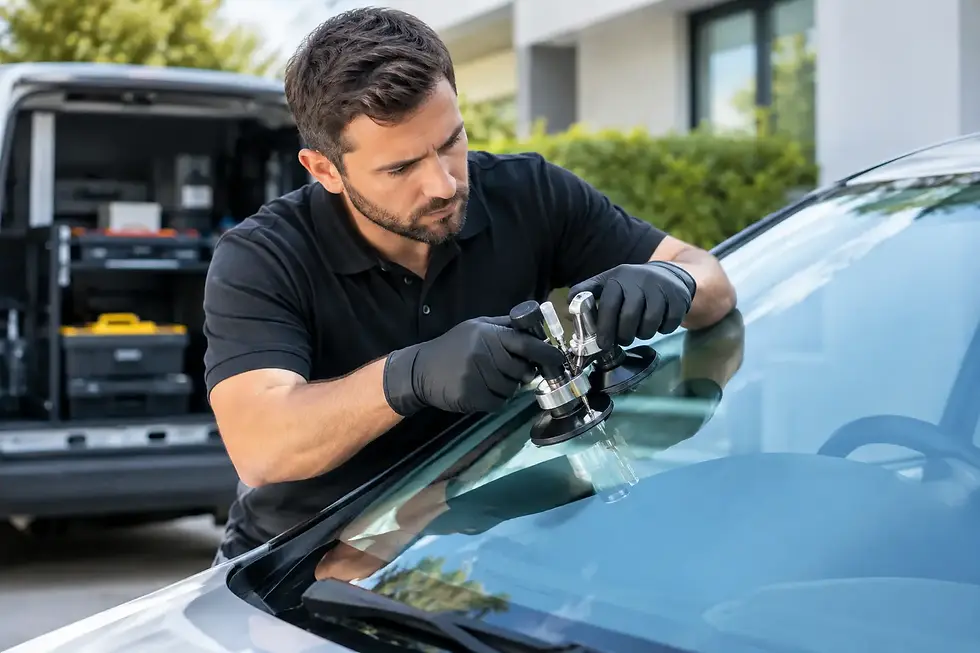
During the repair, specialist equipment is used to remove air from the damaged area and introduce professional-grade Delta repair resin. The resin is cured to restore strength to the affected glass and improve its appearance. A successful repair will not make every mark disappear completely. There may still be a faint blemish, particularly with older or dirtier damage, but the key aim is to stabilise the chip and stop it spreading.
That is why it is better to assess a chip now than wait for it to become a line across the windscreen. Once a crack has travelled, the choices become more limited.
Damage that may need a different solution
A no-nonsense assessment also means being clear when repair is not the right option. Cracks that extend from the edge of the windscreen are generally outside safe repair limits. The edge is a high-stress area, and damage there can compromise the glass more easily.
Likewise, a crack larger than a £2 coin, heavily contaminated damage, or a chip that has already developed into a substantial split may not be suitable for mobile chip repair. In these cases, replacement may be necessary. It is not the answer anyone wants, but it is better to know promptly than spend money on work that cannot provide a lasting result.
Location can also affect the recommendation. Damage directly in the driver’s critical viewing area needs careful consideration, even when it is technically repairable, because a repaired mark can remain visible. The best answer depends on the exact position, the pattern of the chip and the vehicle.
What happens after the photo assessment?
If the images suggest that the chip is within repair limits, you can arrange a mobile appointment at home or work. That is particularly useful if you commute through Fleet, Farnborough, Aldershot, Camberley, Bracknell, Basingstoke, Maidenhead, Ascot or the surrounding area. You keep your day moving rather than sitting in a waiting room.
Before work starts, the damage is checked in person. If it is suitable, the repair is completed using the correct process for the chip type. Pricing is kept clear and based on the number and size of chips, so you know where you stand before proceeding.
Aftercare is straightforward. Avoid putting the repaired area under unnecessary stress immediately afterwards, and keep an eye on it as you normally would. A proper repair comes with aftercare reassurance, but the sensible time to act is before the damage has a chance to spread.
A quick assessment can prevent a bigger job
There is no prize for waiting to see whether a windscreen chip gets worse. A clear WhatsApp photo can tell you whether you are likely looking at a short mobile repair or whether the damage has moved beyond repair limits. Call Billy or send the photos when you spot the chip - a prompt, honest answer is the easiest way to protect your windscreen and avoid a bigger interruption later.


Comments