

Why Windscreen Cracks Spread Overnight So Fast
A windscreen chip can look unchanged when you park up, then greet you in the morning as a long, worrying line across the glass. It feels sudden, but when cracks spread overnight, the damage has usually been under pressure for some time. A drop in temperature, moisture in the chip and the normal movement of the vehicle can be enough to turn a repairable chip into damage that needs a replacement.
The useful news is that a small chip does not automatically mean a new windscreen. Acting early gives you the best chance of keeping the original glass, avoiding disruption and paying for a quick repair rather than a much larger job.
Why cracks spread overnight
Your windscreen is laminated safety glass: two layers of glass bonded around a clear plastic layer. It is strong, but a stone chip creates a weak point in the outer layer. Fine cracks can sit around that impact point even when they are difficult to see.
Overnight temperature changes are a common trigger. Glass expands slightly in warmth and contracts in cold conditions. If the outer surface cools quickly while the inside of the car stays warmer, the damaged area is put under extra stress. Frosty mornings, a cold snap or simply parking outside can reveal a crack that was not obvious the day before.
Moisture also causes trouble. Rain, dew, screenwash and condensation can enter the tiny breaks in the glass. When water freezes, it expands. Even without freezing conditions, contamination inside a chip makes a clean resin repair harder. Dirt and moisture prevent the repair resin from bonding as effectively and can leave a more noticeable blemish afterwards.
The vehicle does not need to be moving for damage to worsen, either. Parking on an uneven drive, shutting a door firmly or the body flexing as temperatures change can all put a little more load through the glass. Then, when you drive over the first pothole, speed hump or rough patch the next morning, the crack may run further.
A warm windscreen can crack too
Cold weather gets the blame most often, but rapid heating can be just as unhelpful. Blasting a cold windscreen with the demister on maximum creates a big temperature difference across the glass. Pouring hot water over an icy screen is worse: it may clear the ice quickly, but it can shock already-damaged glass and cause a chip to open into a crack.
Use a scraper and de-icer instead. Start the heater gradually rather than putting it straight on full heat. This will not repair existing damage, but it avoids adding sudden stress at the point where the glass is already weakest.
Direct sunshine can have a similar effect after a very cold night. The point is not to worry about every change in weather. It is simply to treat a chip as time-sensitive, particularly through winter and during big swings between day and night temperatures.
Is the damage still repairable?
Many common impact chips can be repaired if they are dealt with promptly. Bullseye, half-moon, petal, star and cross-hair chips are often suitable, along with some small long cracks. The final answer depends on the size, type and location of the damage, not just how serious it looks at first glance.
There are clear limits. Damage close to the edge of the windscreen is more likely to spread because that area carries greater stress. A crack larger than a £2 coin, or one that reaches the edge, is generally beyond the sensible repair threshold. Damage directly in the driver’s main viewing area also needs careful assessment, because safety and visibility come first.
Do not assume a visible crack means there is nothing to be done, and do not assume every tiny chip is safe to leave. A clear photo is the quickest way to get an honest answer. Take one photo from outside the vehicle, with the whole chip or crack visible, then one closer image if possible. Include a £2 coin beside the damage for scale. A trained technician can usually tell you whether mobile repair is realistic before you book.
What to do as soon as you spot a chip
The first few hours matter more than most drivers realise. Keep the area dry and avoid touching it with your fingers, as skin oils can contaminate the break. If you have clean, transparent chip-protection film, place it gently over the outside of the damaged area. Do not use opaque tape that could leave adhesive behind, and do not push tape into the crack.
Avoid car washes until the damage has been assessed. High-pressure water can force moisture and dirt into the chip. Try not to slam doors, and leave extra room around potholes and speed humps where practical. You do not have to stop using the car completely, but gentle driving gives the damage less opportunity to run.
Most importantly, do not attempt a DIY repair kit before getting advice if preserving the best possible finish matters to you. Some kits can help in the right hands, but poor application can trap air, resin or dirt in the chip and make a professional repair less effective. This is particularly worth considering on prestige, classic and performance vehicles where retaining the original factory windscreen is a priority.
How a professional chip repair works
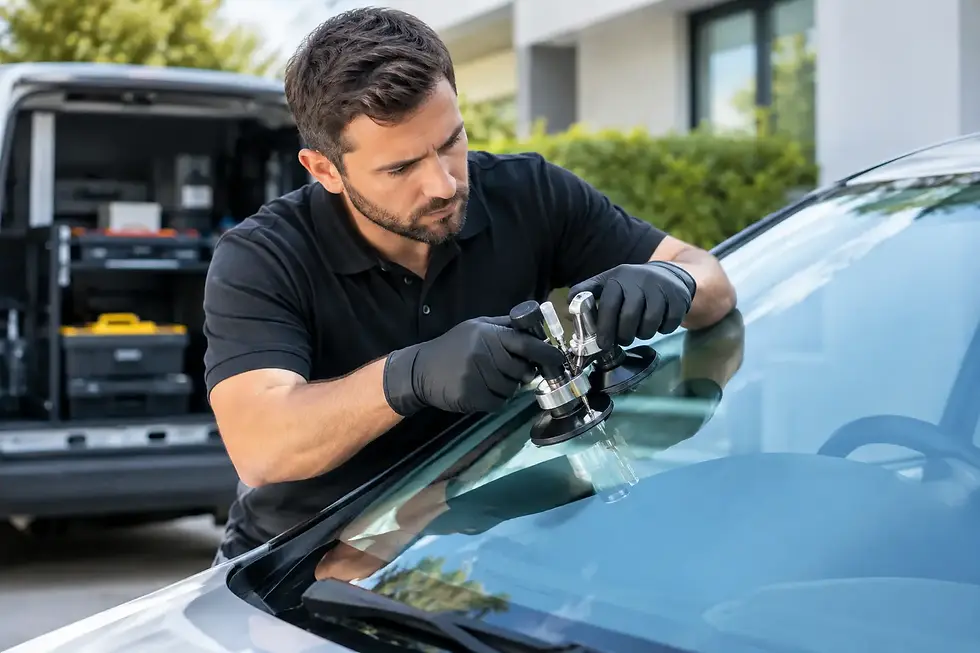
A proper repair is not a cosmetic cover-up. The technician assesses the damage, removes moisture and loose glass where appropriate, then uses a bridge tool to introduce specialist resin into the chip. Under controlled pressure and vacuum, the resin works into the fine cracks created by the stone impact.
The resin is then cured with ultraviolet light and the surface is finished smooth. Chip Repair UK uses professional-grade Delta repair resin, selected to restore strength to eligible impact damage and improve the appearance of the affected area. Most repairs take around 20 to 30 minutes, depending on the chip type and condition.
A repair will not make every mark completely invisible. Some chips leave a faint trace, especially if water or dirt has been inside them for a while. The goal is to stop the damage spreading, restore the integrity of the damaged area as far as possible and make the chip far less noticeable. That is a better outcome than waiting until replacement becomes the only option.
Repair now or wait? The practical trade-off
Waiting can feel sensible if the chip is small and your diary is busy. But the saving is rarely worth the gamble. A chip repair is usually quick, costs far less than replacement and can be carried out where you are - at home or at work. Replacement, by comparison, may mean arranging a longer appointment, recalibrating vehicle systems on some newer cars and losing original factory-fitted glass.
There are cases where replacement is the right answer. An edge crack, extensive damage or a crack beyond repair limits should not be forced into a repair for the sake of it. A dependable specialist will say so clearly. The value of an assessment is knowing where you stand before the next cold night or school run turns a manageable chip into a larger problem.
For drivers across Hampshire, Surrey and Berkshire, a WhatsApp photo assessment is often the fastest first step. It avoids guesswork, gives you a clear view of likely eligibility and lets you arrange a convenient mobile visit if the chip can be repaired.
Do not give a small chip another night to grow
A crack can spread without warning, but it is not usually random. Temperature shifts, trapped moisture and everyday vehicle movement all work against damaged glass. Protect the chip from water, avoid sudden heating and get it checked while it is still small enough to have a good chance of repair.
If you have noticed new windscreen damage today, take the photo before you forget. A quick assessment now may be all that stands between a short mobile repair and a windscreen replacement later.


Comments