

Does Repair Resin Last? What Drivers Should Know
A stone chip can look like a tiny mark, yet it sits in glass that is constantly flexing with road vibration, temperature changes and pressure. So, does repair resin last? When a suitable chip is repaired properly and promptly, the resin is designed to remain in place for the life of the windscreen. The key is acting before that small impact point becomes a spreading crack.
A windscreen repair will not make every chip disappear completely. You may still see a faint blemish or small shadow where the damage was. What matters is that the resin fills and bonds the damaged area, helping restore the glass’s strength and stopping dirt, moisture and air from working their way further into the chip.
Does repair resin last as long as the windscreen?
In most cases, yes. Professional windscreen repair resin is not a temporary filler or a quick cosmetic patch. It is a specialist material cured with ultraviolet light after it has been drawn into the breaks within the glass. Once cured correctly, it becomes stable and is intended to stay bonded inside the chip.
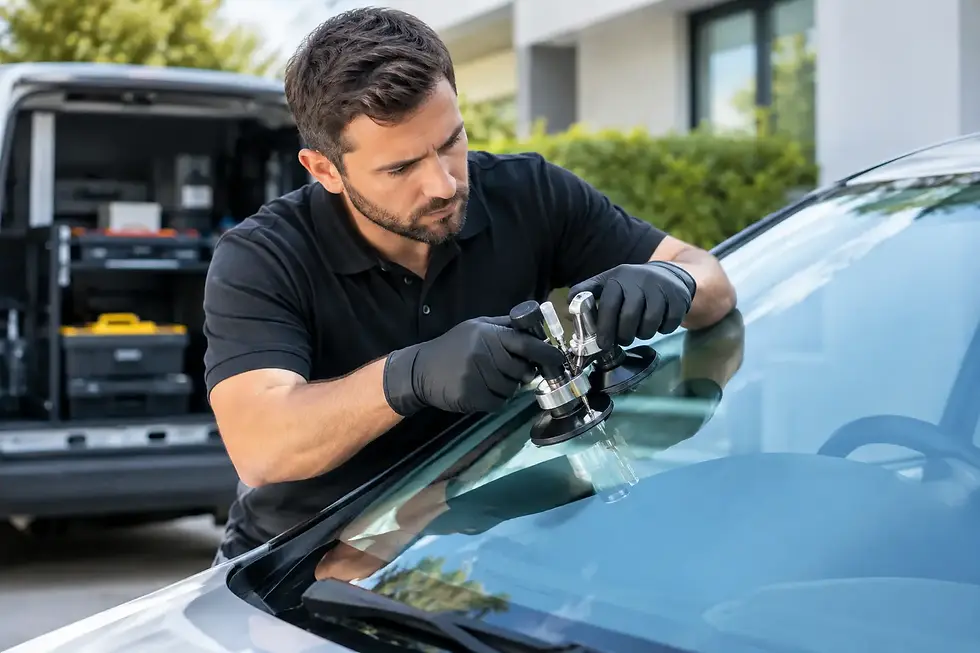
At Chip Repair UK, we use professional-grade Delta repair resin, selected for windscreen chip repairs rather than general-purpose glass adhesive. A trained Chipper assesses the pattern of damage, prepares the impact point, removes air where possible and injects resin under controlled pressure. Those steps are why a proper repair is very different from simply covering a chip with a DIY kit.
There is one sensible caveat. No one can promise that a windscreen which was already damaged will behave exactly like untouched factory glass in every future incident. Another stone strike, a severe impact or movement in an existing crack can create new damage. But the original repaired chip should not simply fall out or wear away in normal use.
What makes a resin repair last?
The quality of the resin matters, but the condition of the chip matters just as much. Windscreen glass is made from two layers of glass with a plastic layer between them. A chip needs to be assessed for its size, location, shape and whether moisture or contamination has entered it.
Speed makes a real difference
Fresh chips are generally easier to repair. Before resin can be injected, the specialist needs clean pathways inside the damaged glass. Leave a chip exposed for weeks and it can collect water, road film, polish, screenwash residue and fine dirt. That does not always rule out repair, but it can affect the final appearance and the quality of the bond.
If you spot a new chip, avoid poking it, washing it with high-pressure water or putting random glue on it. Keep the area dry where possible and get a photo assessed. A clear WhatsApp photo can often confirm quickly whether it is likely to be repairable.
The chip type and size are crucial
Bullseye, half-moon, petal, star and cross-hair chips can often be repaired, as can some small long cracks. The repair has the best chance where the damage is contained and the glass around it remains stable.
Damage close to the edge of the windscreen is more problematic because the edge carries additional stress. Cracks larger than a £2 coin, damage that has spread extensively, and edge cracks are generally outside sensible repair limits. Resin cannot reverse a crack that is already travelling through the screen or make unsuitable damage safe by force.
A straightforward answer before booking is always better than an optimistic one on the day. That is why a proper photo assessment is useful - it prevents wasted time and gives you a clear route forward.
Preparation and technique cannot be skipped
Good repairs are methodical, even when they take only 20 to 30 minutes. The damaged area must be inspected, cleaned and, where necessary, carefully opened so resin can reach the tiny fractures. Air is removed, resin is introduced and the repair is cured with the correct ultraviolet light. Finally, the surface is finished smooth.
Rushing these stages can leave voids in the damage. Voids may remain visible and can reduce how effectively the repair supports the glass. A professional repair is about stabilising the windscreen first and improving the appearance second, although a well-repaired chip will usually look far less noticeable.
Will heat, cold or a car wash damage the repair?
A cured resin repair should cope with normal British driving conditions. That includes frosty mornings in Fleet, summer heat on a workplace car park in Bracknell, motorway journeys and ordinary car washes. The resin is cured before the job is complete, so there is no lengthy wait before using your vehicle.
Extreme temperature changes are one reason to get a chip fixed quickly, rather than a reason to avoid repair. A cold windscreen hit with hot air from the heater can put stress around an existing chip. Equally, a screen baked in direct sunshine and then cooled rapidly can encourage a crack to move. Repairing an eligible chip reduces that vulnerable open point in the glass.
The same applies to normal road vibration. Your repaired area should withstand day-to-day use. If the windscreen suffers another impact in the same place, however, that is fresh damage rather than the old resin failing.
Why some repaired chips still show
A lasting repair and an invisible repair are not the same thing. Resin can restore strength and prevent spreading, but it cannot always remove every trace of the original impact. Tiny crushed glass fragments, dirt already trapped in the break and the chip’s angle can leave a small mark behind.
Star breaks and older chips tend to be more visible than clean, fresh bullseyes. This is normal. The right question is not always, “Can I see it?” but, “Has it been stabilised and is it safe to drive?” Your specialist should explain the likely result before starting, particularly on prestige, classic or high-performance vehicles where preserving the original factory glass is often a priority.
A repair is also a lower-waste option. Keeping a sound original windscreen in service avoids replacing a much larger piece of glass when the damage is localised and suitable for repair.
Signs a repaired windscreen needs checking
Most repaired chips need no further attention. Still, contact a specialist if you notice a new line spreading away from the repaired area, a fresh impact mark, or a change following a further stone strike. Do not assume every mark near a previous repair is the same damage.
You should also arrange an assessment if the chip was repaired elsewhere but you are unsure whether a crack is now growing. A crack can start from a separate stress point and may be unrelated to the original resin repair. It is better to have the screen checked than to wait until the damage reaches a size where replacement becomes the only option.
For an eligible repair, aftercare cover provides useful reassurance too. Keep your invoice and take a clear photo if anything changes, so the repair can be reviewed properly.
Repair now or wait and see?
Waiting is a gamble that rarely improves the outcome. A chip may stay unchanged for days, then extend across the windscreen after one cold morning, speed bump or lorry throws up a stone on the M3. Once a crack spreads beyond repair limits, the convenience and cost benefits of repair are lost.
Mobile chip repair is built for this exact situation. You do not need to set aside a day at a fitting centre when an eligible chip can often be repaired at home or at work in around half an hour. Fixed, clear pricing also makes it easier to deal with the damage before it turns into a larger bill.
If you have found a chip today, take a close photo from outside the vehicle and send it for assessment while the damage is still small. A quick, honest answer now can help keep your original windscreen doing its job for years to come.


Comments