

Original Glass Versus Replacement or Repair?
A stone chip on the M3 or a loose-gravel lane can leave you weighing up original glass versus replacement sooner than expected. The good news is that a chip does not automatically mean a new windscreen. If it is dealt with early and sits within repair limits, professional resin repair can preserve the factory-fitted glass, restore strength around the damaged area and stop a small problem becoming a disruptive crack.
For drivers across Hampshire, Surrey and Berkshire, the practical question is simple: can this screen be saved safely, or is replacement genuinely the right call? The answer depends on the damage, where it is, and whether the windscreen can still be repaired to a proper standard.
Why original windscreen glass is worth keeping
Your original windscreen was fitted to the vehicle at the factory. It is matched to the car’s glass specification, tint, aerials, heating elements and, on many newer cars, the cameras and sensors that support driver-assistance systems.
That does not mean replacement glass is poor quality. A correctly specified and professionally fitted replacement can be an excellent solution when a screen is beyond repair. But keeping original glass where safely possible avoids an unnecessary fitting job, protects the factory seal and can be particularly appealing for prestige, performance and classic vehicles.
There is a simpler benefit too: repair is usually far quicker. A mobile chip repair normally takes around 20 to 30 minutes, often at your home or workplace. Replacing a windscreen can involve ordering glass, arranging a longer appointment and allowing time for the bonding process. Some vehicles may also need camera recalibration afterwards.
Original glass versus replacement: when repair is the better option
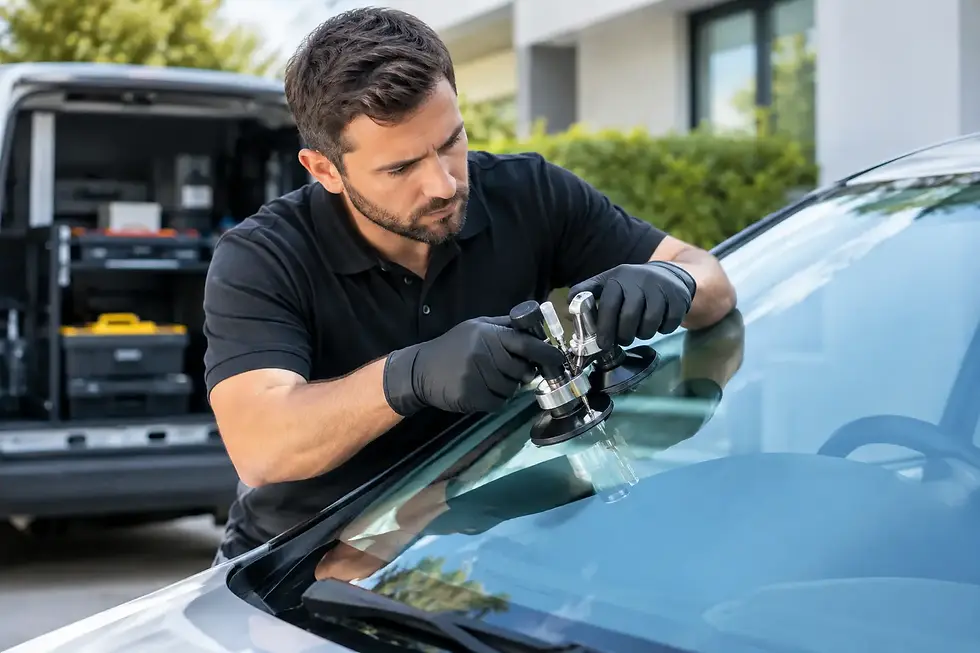
A repair is designed to stabilise damage before stress, vibration and temperature changes turn it into a spreading crack. During the process, a trained technician removes air and moisture from the break as far as possible, then injects specialist repair resin under controlled pressure. Once cured, the resin bonds the damaged area and helps restore its structural integrity.
Chip Repair UK uses professional-grade Delta repair resin for eligible windscreen damage. The aim is not to make a chip vanish completely. Most repairs leave a small visual mark, and the final appearance depends on the chip type, its age, contamination and how much dirt or water entered it. The main purpose is to prevent the damage spreading and preserve the windscreen you already have.
Common repairable patterns can include bullseye, half-moon, petal, star and cross-hair chips, along with certain small long cracks. A fresh chip is generally the best candidate. The longer it is left exposed to rain, washer fluid, road grime and repeated heating and cooling, the harder it can be to achieve the best result.
Repair is also the lower-waste choice. A windscreen is a large laminated piece of glass with bonded layers and attached components. Saving it avoids disposing of an entire screen simply because of one localised impact point.
When windscreen replacement is the safer decision
No dependable repair specialist should promise to repair every chip. Some damage has crossed the point where resin repair is appropriate, and replacement is then the sensible route.
Cracks that run to the edge of the windscreen are a key concern. The edge is a high-stress area, so damage there is more likely to spread and can affect the strength of the glass. Large damage, including breaks larger than a £2 coin, is also generally outside normal repair thresholds. Multiple impacts, deep damage affecting more than the outer layer, and chips positioned where a repair would leave unacceptable distortion in the driver’s critical viewing area may also rule repair out.
There are occasions where replacement is unavoidable, not a failure. If the windscreen is cracked across the screen, heavily damaged or cannot be repaired without compromising visibility or safety, fitting a new screen is the right answer. The priority is always a safe, roadworthy vehicle, not saving glass at any cost.
The hidden costs of waiting
The decision is often not really repair versus replacement. It is repair now versus replacement later.
A chip can look harmless when you first notice it in the morning, then crack after the heater is turned up, the air conditioning cools the glass, or the car hits a pothole. Windscreens flex slightly as you drive. Sudden changes in temperature and everyday road vibration put pressure on an already damaged area.
A small chip repair is normally the least disruptive and most cost-effective outcome. Leave it for weeks, and a repairable mark can become a full-screen crack with far fewer options. If you spot a fresh chip, avoid pouring very hot or cold water over the glass, do not blast the demister straight at it, and arrange an assessment as soon as you can.
If the chip is dirty, a small piece of clear tape placed gently over the outside can help keep out moisture and grit until it is inspected. Do not press debris into the break, pick at the glass or try a DIY resin kit if you want the best chance of a professional repair.
Is a repaired windscreen as good as a new one?
They serve different purposes. A new windscreen replaces glass that is too damaged to save. A professionally repaired chip preserves glass that remains structurally suitable for repair.
A good repair strengthens the affected area and greatly reduces the likelihood of the chip developing into a crack. It may not be invisible, especially with star breaks or older damage, so drivers should have realistic expectations about cosmetics. What matters most is that the chip is stabilised, the screen remains safe, and the damage no longer has an easy route to spread.
For many motorists, that is a better result than replacing an otherwise sound factory windscreen. For others, particularly where visibility is affected or the crack is extensive, replacement gives the clean slate they need. The right choice is based on condition, not on a one-size-fits-all rule.
How to find out if your chip can be repaired
You do not need to become an expert in chip types before asking for help. Take a clear photo from outside the car, ideally with a £2 coin nearby to show the size. Include a wider photo showing where the damage sits on the windscreen, especially if it is near an edge or directly in front of the driver.
Send the photos by WhatsApp for a quick assessment. A mobile chip repair specialist can usually tell you whether the damage appears suitable for repair, explain the likely result and confirm the fixed price before arranging a visit. If it is outside repair limits, you will be told plainly rather than sold a repair that should not be attempted.
Chip Repair UK provides mobile assessments and repairs at homes and workplaces across Fleet, Farnborough, Aldershot, Camberley, Bracknell, Basingstoke, Maidenhead, Ascot and surrounding areas. Call Billy or send a WhatsApp photo and you can get a straightforward answer without taking time out to sit in a workshop.
A practical choice for your car and your day
Original glass is worth preserving when a chip is small, repairable and dealt with promptly. It keeps the job quick, reduces waste and avoids replacing a windscreen that still has plenty of safe service left in it. Replacement remains essential when damage is too large, too close to the edge or too severe to repair properly.
If you have only just noticed the chip, do not wait for it to make the decision for you. A clear photo and a quick assessment can tell you whether your original windscreen still has a straightforward, affordable repair ahead of it.


Comments