

Do Chips Worsen? Act Fast on Windscreen Damage
A stone flicks up from the vehicle ahead, leaves a small mark in the glass and you think, “It can wait.” But do chips worsen? In many cases, yes. A windscreen chip can remain stable for a while, then turn into a long crack after one cold morning, a hot afternoon or a pothole on the school run.
The frustrating part is that a chip is often quick and affordable to repair when dealt with early. Once it spreads beyond repair limits, you may be looking at a complete windscreen replacement instead. That means more cost, more disruption and your car off the road for longer than it needs to be.
Why do windscreen chips worsen?
Your windscreen is not a single sheet of ordinary glass. It is made from two layers of glass with a clear laminate between them. This construction is designed to keep the screen together on impact, but damage in the outer layer can still spread when pressure builds around the original chip.
Temperature changes are one of the biggest causes. On a frosty morning, warm air from the heater hits cold glass. In summer, direct sun heats the windscreen, while air conditioning cools the inside. Glass expands and contracts with these changes, and the pressure can push an existing chip into a crack.
Road vibration plays a part too. Speed bumps, potholes, uneven country lanes and even firmly closing a car door can place extra stress on damaged glass. A chip that seemed no bigger than a small coin can suddenly run across the screen.
Moisture and dirt make matters worse. Water can work its way into the break, carrying grime with it. If temperatures drop below freezing, trapped water expands as it freezes. That added pressure can force the damage further through the glass. Dirt also makes a repair less tidy because it can stain the damaged area before resin is applied.
A chip will not always crack straight away
Not every chip turns into a crack overnight. Some drivers have a small mark for weeks without seeing any change. That does not mean it is safe to ignore.
Whether a chip worsens depends on its size, shape, position and how deep it is. Star breaks and cross-hair chips have several fine legs that may extend with vibration. Bullseye, half-moon and petal chips are often repairable if treated promptly. Small long cracks can sometimes be repaired too, provided they remain within the accepted limits.
Damage close to the windscreen edge is more of a concern. The edge of the glass is under greater structural stress, so cracks in this area are more likely to travel. Edge cracks are generally not suitable for a standard chip repair. Likewise, damage larger than a £2 coin may already be beyond a practical repair threshold.
The safest approach is simple: treat every new chip as time-sensitive. You do not need to panic, but you should get it assessed before weather, road conditions or daily use turn a small job into a larger one.
What makes a windscreen chip spread faster?
The conditions that catch drivers out are usually ordinary ones. You do not need a major impact for a chip to worsen. A few common triggers are enough:
Sudden changes in temperature, including using a hot demister on an icy screen.
Potholes, speed bumps and rough road surfaces.
High-pressure washing directly over the damaged area.
Water, dirt or screenwash entering the chip.
Parking in strong sunshine after a cold start.
Repeated vibration from everyday driving.
Avoid blasting the damaged spot with hot air or a pressure washer. If possible, keep the chip clean and dry until it is inspected. A small piece of clear windscreen repair tape can help protect the area temporarily, but do not press it hard into the break and do not use glue, sealant or a DIY filler without proper advice.
Can a worsening chip still be repaired?
Sometimes, yes. The visible mark is not the only thing a trained technician checks. The location, size, depth and crack pattern all matter. A chip may look dramatic but still be a good candidate for repair. Another may look small on the surface yet have a crack travelling underneath.
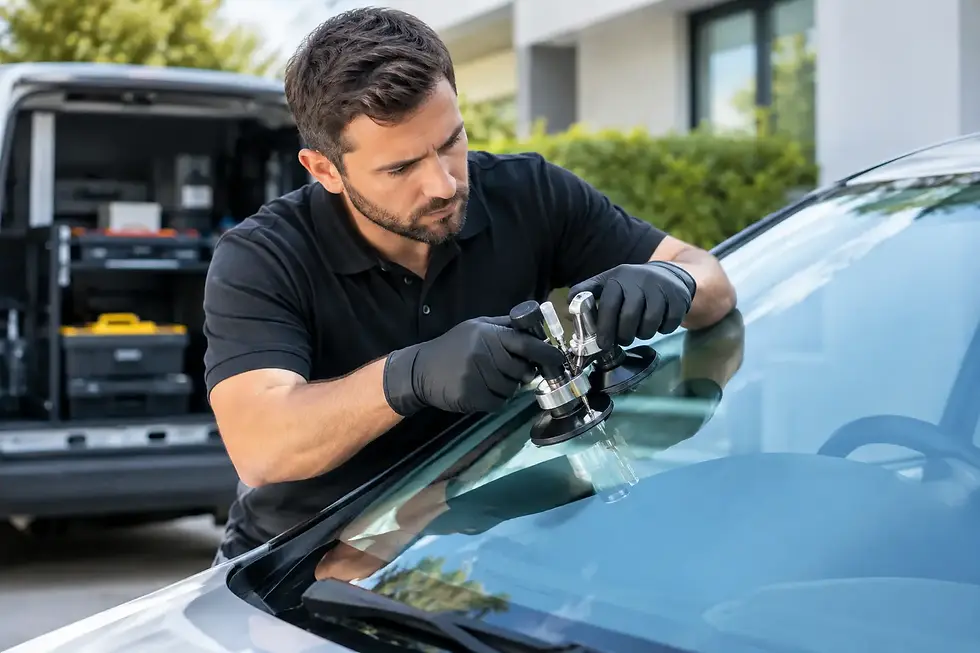
A proper repair involves cleaning the damaged area, removing air and moisture where possible, then injecting professional-grade resin under controlled pressure. The resin is cured to stabilise the glass and restore strength to the damaged section. At Chip Repair UK, trained Chippers use Delta repair resin for eligible damage, with most mobile repairs taking around 20 to 30 minutes.
A repaired chip is not expected to disappear completely. You may still see a faint blemish, particularly if dirt entered the damage before repair. The main aim is to stop the chip spreading, restore structural integrity and avoid replacing the entire windscreen unnecessarily.
There are times when replacement is the right answer. If a crack is large, reaches the edge, sits in a critical area of the driver’s view or the damage is too severe for resin to stabilise safely, a repair should not be forced. Honest assessment matters more than promising a repair that will not last.
What to do when you spot a chip
First, take a clear photo from outside the car. Include a £1 or £2 coin next to the damage if you can, as this helps show the scale. Also take a wider photo so the position on the windscreen is clear.
Then send the photos by WhatsApp for a quick assessment. This is usually the fastest way to find out whether your chip looks repairable before arranging a visit. A mobile chip repair specialist can come to your home or workplace across Hampshire, Surrey and Berkshire, so there is no need to spend your day waiting at a glass centre.
Until the repair, drive gently where practical and avoid sudden temperature shocks. Do not pour hot water over a cold windscreen. Keep the demister setting moderate at first, then increase it gradually. These small precautions can make the difference between arriving at your appointment with a repairable chip and discovering it has become a replacement job.
Is it worth repairing a small chip quickly?
For most drivers, yes. Early repair is usually the lower-cost, lower-hassle choice. It protects the original factory-fitted glass, which can be especially valuable on prestige, classic and high-performance vehicles. Original glass may have manufacturer markings, sensors or calibration-related features that you would rather preserve where possible.
Repair also creates less waste than replacing a whole windscreen. A windscreen is a large laminated component, and it is not as simple to recycle as ordinary household glass. Keeping a repairable screen in service is the sensible option for your wallet and for reducing unnecessary landfill.
There is also the practical issue of MOT safety. Windscreen damage in the driver’s direct line of sight can cause problems if it is severe enough, and any crack that spreads can become more distracting while driving. A small chip may be easy to live with today, but it is not worth gambling on it remaining small.
The bottom line on chips that worsen
A windscreen chip is one of those jobs that rewards quick action. It may stay the same for a few days, but it can also spread without warning when the temperature changes or the car hits a rough patch of road. Send a clear photo, get an honest assessment and repair eligible damage before a minor chip decides to become your next windscreen replacement.


Comments