

Insurance Claim Versus Self Pay for Windscreen Chips
A stone hits the windscreen, leaves a chip in your line of sight and suddenly you are weighing up an insurance claim versus self pay. The right answer is not always the one that looks cheapest at first. It depends on your policy, your excess, the type of damage and how quickly you can get it repaired before the chip spreads.
For a small, repairable windscreen chip, paying directly is often simpler than drivers expect. For others, windscreen cover makes an insurance repair the obvious choice. The key is to compare the real cost and disruption before booking.
Insurance Claim Versus Self Pay: Start With the Damage
First, establish whether the windscreen can be repaired at all. A prompt repair can restore strength around the damaged area and reduce the chance of a small chip becoming a crack that needs a complete new screen.
Common repairable damage can include bullseye, half-moon, petal, star and cross-hair chips, plus some small long cracks. There are limits. Damage at the edge of the windscreen, a crack larger than a £2 coin or a chip in certain critical areas may not be suitable for repair. A repair will improve the appearance, but the main job is to stabilise the damage and help preserve the original glass.
This matters because an insurance decision is very different for a quick chip repair than for a replacement. Replacing a windscreen can involve a higher excess, more time without the vehicle and, on newer cars, calibration work for cameras and safety systems. If the chip is still within repair limits, deal with it now rather than wait for the next cold morning, pothole or speed bump to turn it into a bigger job.
A clear photo is often enough for an initial assessment. Take it from inside and outside the vehicle if possible, include a coin for scale and send it over before assuming replacement is needed.
What an Insurance Windscreen Claim May Cost
Many comprehensive motor policies include windscreen cover, but the detail varies. Some insurers cover repairs with no excess at all. Others charge a small windscreen-repair excess. Replacement usually has a separate, and often much larger, windscreen excess.
Check your policy wording or call your insurer and ask three direct questions: is chip repair covered, what is the repair excess, and will making this claim affect your no-claims discount? Do not assume the answer based on a previous policy. Cover can differ between insurers and even between policy levels from the same provider.
A windscreen claim is often treated separately from an accident claim, so it may not affect your no-claims discount. But that is not a universal rule. Claims history can still be recorded, and insurers may ask about previous windscreen claims when quoting for renewal. Get a clear answer for your own policy before authorising work.
You should also ask whether your insurer requires an approved supplier. Some policies let you use a specialist of your choice and claim back the cost, while others apply different terms if you arrange the repair independently. Never rely on a verbal assumption. Ask the insurer to confirm the process and any reimbursement limit.
When Self Pay Is the Better Choice
Self pay makes particular sense when a fixed repair price is lower than, or close to, your insurance excess. There is little value in spending time on a claim, sharing policy details and potentially adding a claims record if the direct cost is modest.
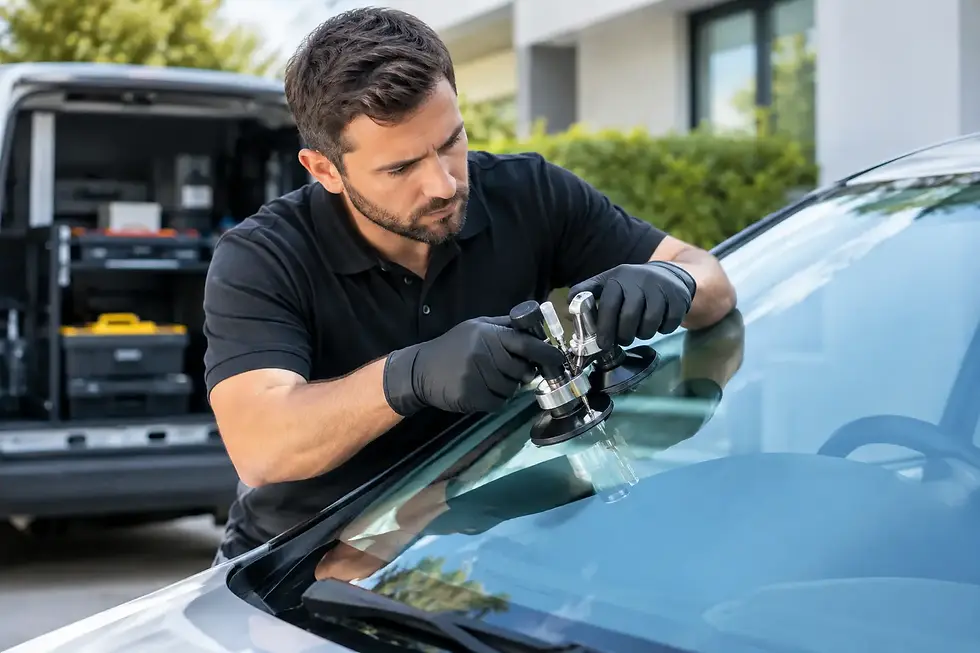
It can also be the more convenient option when you want a local mobile chip repair specialist to come to your home or workplace. Rather than working around a national provider’s appointment system, you can arrange a repair around your day. For most eligible chips, the actual repair takes around 20 to 30 minutes.
Drivers with prestige, classic or performance vehicles may also prefer a direct repair because preserving original factory glass can matter. A properly repaired original windscreen is usually preferable to replacing it unnecessarily, provided the damage is safely within repair limits.
At Chip Repair UK, the price is made clear before the repair starts, with charges based on the number and size of chips. That makes the comparison straightforward: put the fixed self-pay cost beside your insurance excess and decide which route genuinely saves you money and hassle.
Self pay is not about avoiding insurance at all costs. It is about using the practical option for a small repair. If the insurer covers the work in full and the booking process is easy, claiming may still be the sensible route.
When an Insurance Claim Makes More Sense
An insurance claim can be a good choice if your policy covers chip repair with no excess, or with an excess well below the direct repair price. It may also be sensible if there is more than one repairable chip and your cover applies to the whole job.
Use the claim route when you have checked that it will not reduce your no-claims discount or create an unwelcome cost at renewal. If your insurer has a preferred repair network, ask whether you can choose a local specialist and still receive cover. You may be able to pay the repairer directly and submit the invoice, but only if your insurer agrees.
Be careful with wording such as “free windscreen repair”. It can be genuinely free, but it can also mean free after an excess, limited to an approved supplier, or available only on certain types of policy. A two-minute call can prevent an unpleasant surprise later.
Compare More Than the Price
The cheapest figure on paper is not the only factor. A small chip can become a full crack without much warning, particularly during temperature changes. The cost of delaying a repair may be a replacement windscreen, time off the road and a much higher insurance excess.
When comparing insurance claim versus self pay, consider these practical points together:
Your windscreen-repair excess and the direct repair price.
Whether the claim affects your no-claims discount, renewal premium or claims record.
Whether you are restricted to an insurer-approved supplier.
How soon the repair can be completed at your home or workplace.
Whether the damage is actually suitable for repair rather than replacement.
Speed matters. A mobile repair saves the trip to a workshop and avoids leaving a vulnerable chip untreated for another week. It also reduces waste by keeping a serviceable windscreen in the vehicle instead of replacing a whole piece of glass for a small localised defect.
A Simple Way to Decide
If your policy covers repair with no excess and no effect on your no-claims discount, an insurance claim is likely worth considering. Confirm that you can use the repairer you want, then book before the chip spreads.
If your excess is similar to the direct cost, or you want a quick fixed-price local service without an insurance process, self pay is often the cleaner option. You know what you will pay, who is doing the work and when they will arrive.
If the chip has already become a large crack, reaches the windscreen edge or sits in an area that cannot be safely repaired, speak to your insurer about replacement cover instead. Do not let a repairer promise what the glass cannot deliver.
The best next step is simple: take a photo of the chip and get it assessed while it is still small. Whether you claim or pay directly, acting early gives you the best chance of keeping your original windscreen and your plans for the day intact.


Comments