

Chip Filling Versus Replacement Explained
A stone flicks up from the car in front and leaves a mark in your windscreen. It may look small, but the decision about chip filling versus replacement is best made quickly. A repair that takes 20 to 30 minutes today can prevent a spreading crack, an unexpected bill and a day without your vehicle.
For most drivers, the good news is that a fresh chip does not automatically mean a new windscreen. Modern resin repair can restore strength to suitable damage and make the mark far less noticeable. But it has limits. Where the chip sits, its size, its shape and whether a crack has started to run all matter.
What does chip filling actually mean?
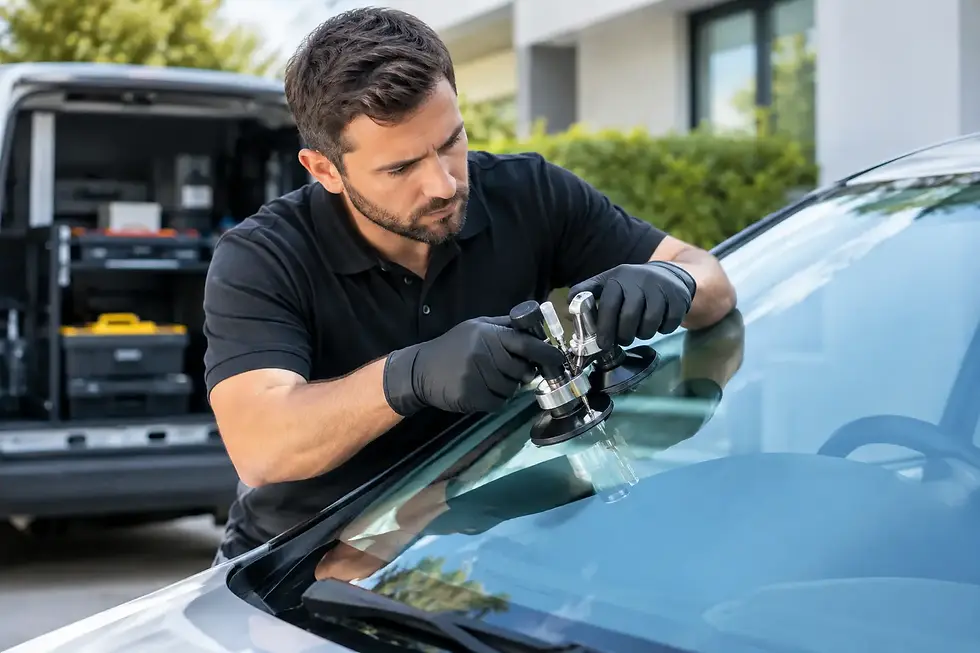
“Chip filling” is the everyday term for windscreen chip repair. The damage is not simply covered over with glue. A trained technician cleans and prepares the chip, then uses a specialist repair system to inject clear resin into the breaks in the glass.
At Chip Repair UK, trained Chippers use professional-grade Delta repair resin. Once the resin has filled the damaged area, it is cured under ultraviolet light and carefully finished. This bonds the fractured glass together, helps restore structural integrity and stops dirt and moisture from sitting inside the break.
A successful repair normally leaves a faint cosmetic trace. Think of it as preserving and strengthening the original glass, not making the damage disappear as though it never happened. The main aim is to stop the chip becoming a crack and avoid replacing an otherwise sound windscreen.
When windscreen chip repair is usually the better choice
Repair is normally the sensible option when damage is small, fresh and away from the edge of the windscreen. Common repairable chip types include bullseye, half-moon, petal, star and cross-hair breaks. Small long cracks may also be repairable, depending on their length and position.
The £2 coin rule is a useful starting point. If the main damaged area is smaller than a £2 coin, it may well be suitable for repair. It is not a promise, because two chips of the same size can behave differently, but it gives you a practical reason to act rather than wait.
Repair is particularly worthwhile if you want to keep the vehicle moving. A mobile chip repair specialist can come to your home or workplace in Hampshire, Surrey or Berkshire, so there is no need to arrange a garage visit or leave the car for the day. Most eligible repairs are completed in 20 to 30 minutes.
There is also a strong case for preserving original factory glass. This matters to owners of prestige, classic and high-performance vehicles, but it is useful for any car. If the original screen is structurally sound apart from a small chip, repairing it avoids disturbing trims, sensors and bonded glass unnecessarily.
Chip filling versus replacement: the real differences
The choice is not simply about making the mark look better. It is about whether the glass can safely be saved.
A repair is faster, less disruptive and usually far less expensive than fitting a new windscreen. It also creates less waste. Replacing a complete screen because of one repairable chip means discarding a large piece of laminated glass that could have remained in service for years.
Replacement becomes necessary when the damage is beyond safe repair. A crack running from the edge is a common example. The edge of the windscreen is under greater stress, so an edge crack is more likely to spread and can affect the screen’s strength. Damage larger than a £2 coin, long spreading cracks, badly contaminated breaks and certain damage in the driver’s direct line of vision may also need replacement.
There are occasions when the answer changes after inspection. A chip can look harmless from outside but have several legs beneath the surface. Equally, a star-shaped chip may look dramatic yet still be repairable if it is caught early. That is why a clear photo is a better starting point than guessing from the driveway.
Why waiting often turns a repair into a replacement
Windscreens flex during ordinary driving. Temperature changes, potholes, slamming the door, rough roads and even using the demister on a cold morning can put pressure on damaged glass. Water and dirt can also work their way into an open chip, making a clean repair harder.
A small chip may stay unchanged for a while, then crack across the screen in seconds. Once it has run beyond repair limits, the lower-cost, quicker option is gone.
Until the chip is assessed, avoid washing the screen with a pressure washer directly over the damage. Do not pick at loose glass, and do not apply a DIY kit unless you are happy to accept the risk of trapping contamination or making a professional repair more difficult. If rain is due, a small piece of clear tape placed gently over a clean, dry chip can help keep moisture out temporarily. Remove it before the technician arrives.
How to tell if your chip may be repairable
You do not need to become an expert in glass damage. Take a few clear photos from outside the vehicle, ideally with the chip in focus and something nearby for scale. Include one wider photo showing its position on the windscreen.
Then send them by WhatsApp for a quick assessment. The key details are the chip’s size, the pattern of the break, whether it reaches the edge, and whether any cracks extend away from it. If it is suitable, you can book a convenient mobile visit. If it is not, you will know before paying for a call-out that cannot solve the problem.
Be honest about how long the chip has been there. Fresh damage usually gives the best chance of a neat, reliable repair. A chip that has collected weeks of road grime can still sometimes be fixed, but the cosmetic result may be less predictable.
What happens at a mobile repair appointment?
The process is straightforward. Your technician first checks that the windscreen is safe to repair and confirms the damage falls within the agreed limits. The chip is prepared, specialist resin is introduced into the fractured area, and the resin is cured and polished.
You can normally use the car straight afterwards. There is no lengthy fitting process, no waiting for a replacement screen to arrive and no need to rearrange your working day around a workshop appointment.
A professional repair should also come with clear expectations. The visible mark usually improves, sometimes dramatically, but every chip repairs differently. Structural stabilisation comes first; cosmetic improvement is the added benefit. Clear pricing before work begins and a repair-aftercare guarantee make that decision easier.
When replacement is the responsible answer
No reputable repair specialist should try to repair damage that is outside safe limits. If the crack reaches the edge, the damaged area is too large, or the glass has already failed in a way resin cannot stabilise, replacement is the correct route.
That is not bad news - it is the right safety call. The benefit of a specialist assessment is that you are not sold a replacement by default, nor given false reassurance about damage that needs more than a resin repair.
If you are in Fleet, Farnborough, Aldershot, Camberley, Bracknell, Basingstoke, Maidenhead, Ascot or the surrounding areas, take a photo before the chip gets worse. Send it to Chip Repair UK on WhatsApp or call Billy for a quick, no-nonsense answer. A few minutes spent checking it now may keep your original windscreen on the car and your plans on track.


Comments